Free AI Visibility Checker: Does ChatGPT Know Your Brand?
An AI visibility checker scans the signals that decide whether AI engines like ChatGPT, Perplexity, and Gemini know your brand: knowledge-base presence, entity schema, AI crawler access, and llms.txt. Enter your brand name and website below to see where you stand in one search.
Checks Wikipedia, Wikidata, your homepage schema, robots.txt, and llms.txt. Nothing is stored.
| Signal | What we found |
|---|
Want the full fix-it report?
A prioritized fix list for every failed signal, with exactly what to ship first, sent to your inbox.
What does this tool check?
This tool checks the four signal groups that determine whether AI engines can find, trust, and cite your brand. First, knowledge-base presence: it searches Wikipedia and Wikidata, the sources ChatGPT, Gemini, and Perplexity lean on most heavily when deciding whether an entity is real. Second, entity schema: it reads your homepage for Organization or Person markup and sameAs links, which tell engines exactly who you are. Third, AI crawler access: it tests your robots.txt against GPTBot, ClaudeBot, PerplexityBot, and Google-Extended, because a blocked crawler means no retrieval and no citation. Fourth, llms.txt: the emerging standard that hands AI assistants a curated reading list of your site. Each signal is scored and weighted into a single 0-100 visibility score.
How to use it (3 steps)
- Enter your brand name exactly as customers say it, plus your website URL.
- Get your visibility score and the signal-by-signal breakdown of what AI engines can and can't see.
- Fix the failed signals — start with crawler access and entity schema — or get the prioritized fix list by email.
Why AI visibility decides who gets recommended
When someone asks ChatGPT for "the best dental clinic in Austin" or "top CRM for small agencies," the engine doesn't crawl the web live and weigh 200 ranking factors — it names the brands it already knows and can verify. Brands with knowledge-base entries, clean entity schema, and open crawler access get named; everyone else gets summarized into "many providers offer this service." I've watched this play out repeatedly on client engagements: a chiropractic clinic went from unmentioned to cited by ChatGPT in roughly 30 days after we fixed exactly the signals this tool measures — entity markup, crawler access, and corroborating mentions. The uncomfortable part is that most businesses fail these checks without knowing it, often because a developer blocked AI bots in robots.txt years ago or the site never declared an entity at all. Run the check, then verify crawler access in detail with my AI Crawler Robots Tester. If your score is under 50 and you want it fixed properly, that's the core of my AI SEO service — or start with a free AI SEO audit and I'll map the gaps by hand.
FAQ
It scans the signals AI engines rely on: whether your brand appears in Wikipedia and Wikidata, whether your homepage declares entity schema with sameAs links, whether GPTBot and ClaudeBot can crawl your site, and whether you publish an llms.txt file.
No — it checks the upstream sources ChatGPT learns from and retrieves against. A brand missing from knowledge bases, blocking GPTBot, and publishing no entity schema is nearly always invisible in AI answers, which is what the score reflects.
Above 80 means your foundation signals are strong. Between 50 and 80, AI engines can find you but may describe you inaccurately or skip you. Below 50, you're likely invisible in AI answers and should fix crawler access and entity schema first.
Allow AI crawlers in robots.txt, add Organization and Person schema with sameAs links, publish an llms.txt file, and build corroborating mentions on sites AI engines trust, like Wikipedia, LinkedIn, Reddit, and industry directories.
Yes. Run it on any brand, as many times as you want, with no signup. Only the detailed emailed report, with a prioritized fix list for each failed signal, asks for your email address.
Last updated: September 10, 2026
Failed the crawler-access signal? Test every AI bot against your robots.txt in detail.
Test my robots.txtWeak entity signal? See which schema types your competitors carry and you don't.
Check my schema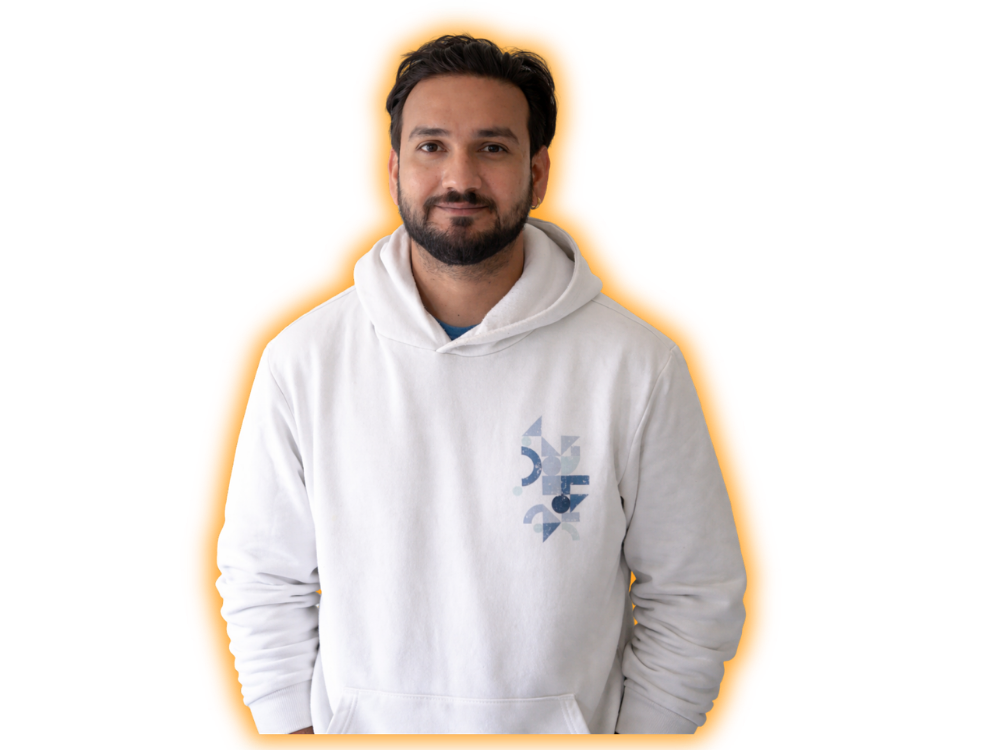
8+ years in SEO, top 3% of Upwork freelancers, 100% Job Success Score. These are the exact signals I audit before every AI visibility engagement — automated so you can check yourself first.
Low score? Let's fix that.
Get a free AI SEO audit and I'll show you exactly why AI engines are skipping your brand — and the fastest path to your first citation.